
how can we make our homes healthier?
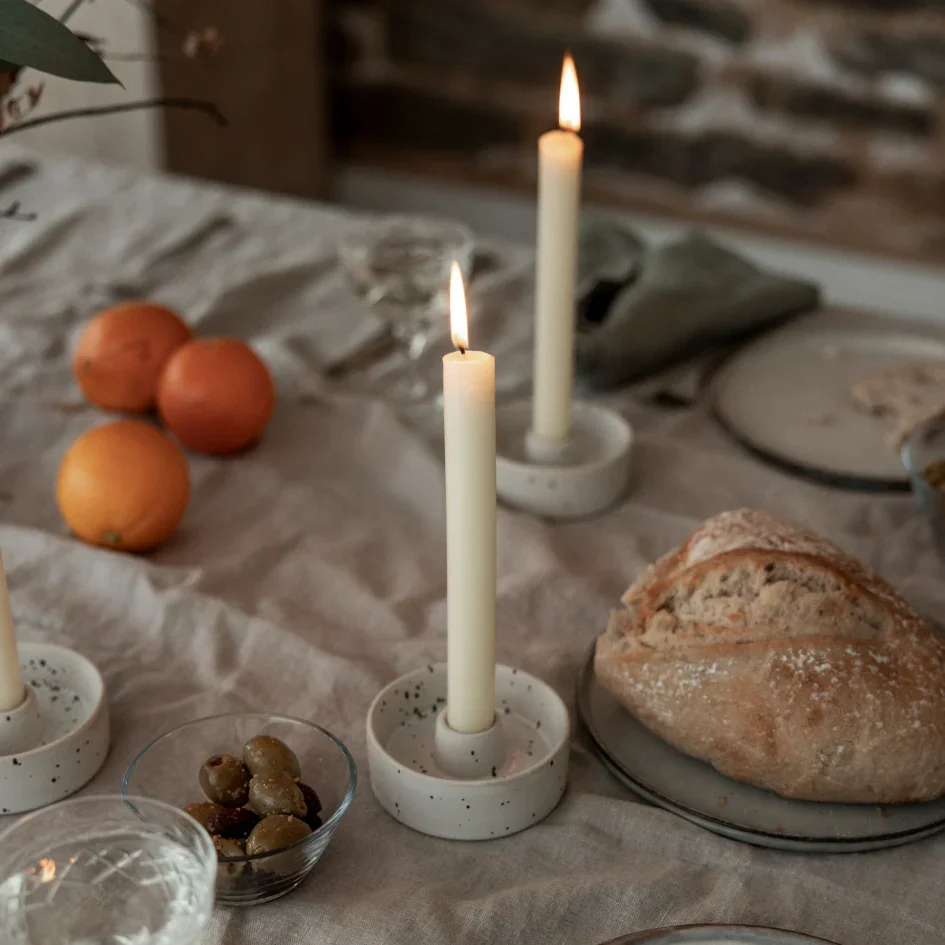
After an incredibly long, hot summer, the promise of autumn feels like a cooling balm. Like a field mouse, I too feel the September pull to seek shelter. Cooking blackberries, lighting the fire and pulling on a knitted jumper all suddenly feel wonderfully inviting.
Yet as we move away from long days spent outdoors and begin spending more time inside, it seems worth pausing to consider just how healthy our indoor environments really are.
In Staying Alive in Toxic Times, Dr Jenny Goodman draws attention to the uncomfortable reality that we live in a heavily polluted world. It can be difficult not to feel alarmed by this, particularly when we are increasingly exposed to conversations about the potential links between environmental pollutants and conditions including cancer, dementia and autoimmune disease. However, Goodman’s approach is practical. Rather than leaving us feeling helpless, she offers suggestions and alternatives that can help us reduce our everyday exposure and feel more empowered about the choices we make.
Every room in our homes comes with its own potential considerations but also with simple changes that can help create a healthier environment.
The Kitchen
For many of us, the kitchen is the hub of family life and one of the rooms in which we spend the most time. Earlier this year, The Plastic Detox documentary brought renewed attention to just how ubiquitous plastic has become in our everyday lives. Like many people, I responded by swapping plastic cooking utensils for wooden ones, feeling rather pleased with my more natural and more aesthetically pleasing kitchen.
That was until I came across an Instagram post by Cornish nutritionist Grace Kingswell, who pointed out that wooden utensils and chopping boards with deep cracks can harbour mould and bacteria. If yours are looking particularly tired, it may be time to replace them.
Cookware is another area worth considering. Non-stick pans can contain PFAS, a group of chemicals that are persistent in the environment and have been the subject of increasing health scrutiny. If you are looking to make a change, cast iron is one straightforward alternative. For new cookware, there are also a growing number of brands offering alternatives to traditional non-stick coatings - Our Place is one of the best known.
One of Dr Jenny Goodman’s key recommendations for the kitchen is to stop using cling film to store food. Concerns around certain chemicals used in food packaging centre largely on their potential to migrate into food and their effects on the endocrine system. A simple alternative is glass food storage, which is reusable, durable and reassuringly free from plastic contact.
The Living Room
The living room is somewhere we go to relax and unwind, so it should be one of the safest and most comforting spaces in the house.
I often light a candle to create a cosy atmosphere, particularly as the evenings draw in. But that seemingly innocent act of self-care is another area worth looking at. Paraffin wax and synthetic fragrances can contribute to indoor air pollution, making the choice of candle more important than we might think. Rather than getting caught up in the increasingly confusing world of ‘clean’ candles, choosing a simple 100% beeswax candle can be an easy way to keep things natural and minimise the number of harmful ingredients being released into your home.
Soft furnishings are another consideration. Synthetic fabrics and the chemicals used to make furniture meet fire-safety standards can contribute to our overall chemical exposure. Natural fibres such as wool and cotton are the best alternatives for blankets and throws.
The Bathroom
There is little point in having an elaborate skincare routine if we never stop to consider the water we are washing ourselves in. Our water is treated to make it safe to drink, but it can contain chlorine, minerals and trace contaminants. While the extent to which these substances are absorbed through the skin is still debated, a shower filter is a relatively simple addition for anyone looking to improve the quality of their shower water.
I have been using the Hello Klean showerhead, which can be fitted to an existing shower. If you live in a hard-water area, making this simple switch may help improve the condition of your hair, particularly if it tends to feel dry after washing.
The Bedroom
When listening to Dr Jenny Goodman on the Homing podcast, I was surprised by what she considered particularly important in the bedroom. As expected, she suggested that an organic mattress could be a worthwhile investment, as well as bedding made from natural fibres. But what really caught my attention was her emphasis on something we might want to remove rather than invest in: air fresheners.
We tend to associate fragrance with cleanliness, but many conventional air fresheners release volatile organic compounds into the air. Goodman argues that removing them can make a noticeable difference and shares the example of a woman whose migraines improved after she stopped using air fresheners for a week.
This doesn't mean we have to forgo the feeling of walking into a beautifully scented bedroom. Instead, look to essential oils such as lavender or rosemary for a natural alternative.
Small Changes, Big Difference
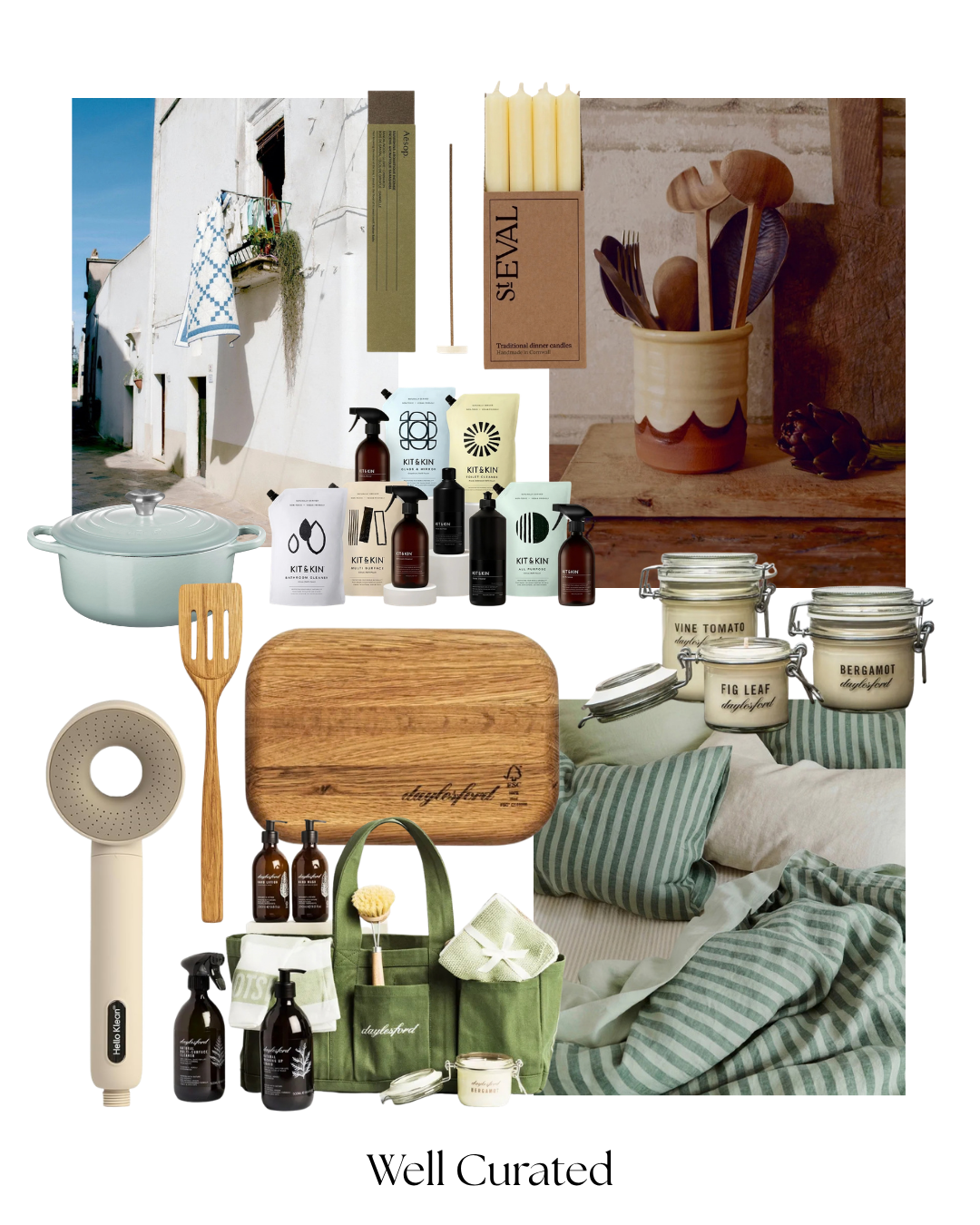
If all of this has left you feeling overwhelmed and imagining that you now need to completely overhaul your house, remember that none of our homes are perfect. What’s important is becoming more aware of where unnecessary exposure might be coming from and making small changes where they feel manageable. Some of the simplest changes cost nothing at all. Open the windows more often to improve ventilation. Take your shoes off at the door so that outdoor pollutants and dirt aren't carried through the house. And take a closer look at the cleaning products you use, given that they are used throughout almost every room. Daylesford’s household range, for example, focuses on organic, biodegradable cleaning products, offering an easy place to start if you are looking to make a change. Click on the image below to discover our ‘Well Lived’ edit.
We hope you have enjoyed our newsletter. Cam & Katie x