
Newsletter No.23
In this week’s newsletter, Katie Gibson asks: Why do we keep returning to the classics? What’s the sense in it?
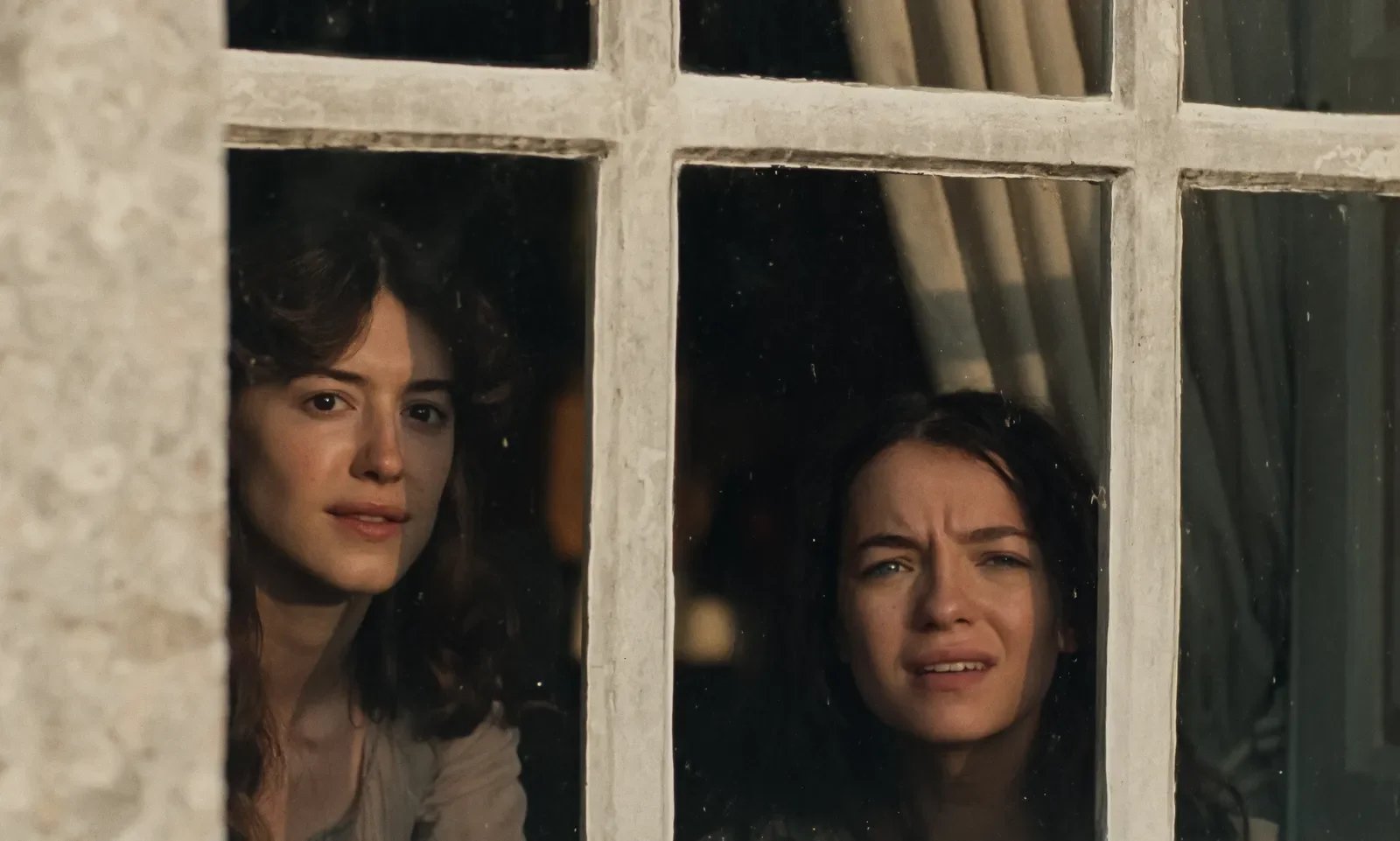
Edgar-Jones and Esmé Creed-Miles. Photo: Courtesy of Focus Features / © 2026 FOCUS FEATURES LLC
Yesterday, my Instagram feed was filled with beautiful pictures of Daisy Edgar-Jones shimmering on the red carpet at the premiere of her latest film. She plays Elinor Dashwood in Sense and Sensibility, adapted from Jane Austen’s 1811 novel, which arrives on the 25th September. In the same week, Netflix released a set of equally glossy promotional photographs, alongside the promise that its adaptation of Pride and Prejudice will be released in December.
When Edgar-Jones was asked how she first came across Austen’s work, she replied that being British meant it was ‘such a part of the fabric of your life’. I completely relate to that comment. Growing up, I spent my school days at an all-girls’ convent, so I led a rather sheltered existence. That was until I began studying English literature and my eyes were opened to the classics. Jane Eyre, Tess of the D’Urbervilles and Emma were suddenly stacked on my bedside table. A new world had been opened for me, full of swishing petticoats, rugged countryside and dashing men on horseback.
But, why do we keep returning to the classics? What’s the sense in it?
While thinking about how to write this, I spoke to a few friends about their experience of reading the classics. We had all been exposed to the novels in the classroom, yet almost all of us had returned to them years later. One friend told me he had been inspired to pick up his old copy of Wuthering Heights after seeing the much-talked-about film released earlier this year. It was almost impossible not to have heard about. The trailer alone racked up 29 million views on YouTube. Set to the heady Chains of Love by Charlie XCX, it was full of passionate scenes between Margot Robbie and Jacob Elordi as they romped their way through the Yorkshire moors in full Victorian costume. What more could you want? Director Emerald Fennell has, however, faced criticism for the ways in which her version did not always stay true to Brontë’s original story. She described the film as her own ‘emotional reaction’ to the book. Personally, I find it refreshing to see a director run with their own creative vision, and if the result encourages people to pick up the original novel, surely that is no bad thing.
Which brings me back to the question: why do we continue to revisit these stories again and again? After all, on the surface, they seem remarkably distant from modern life.
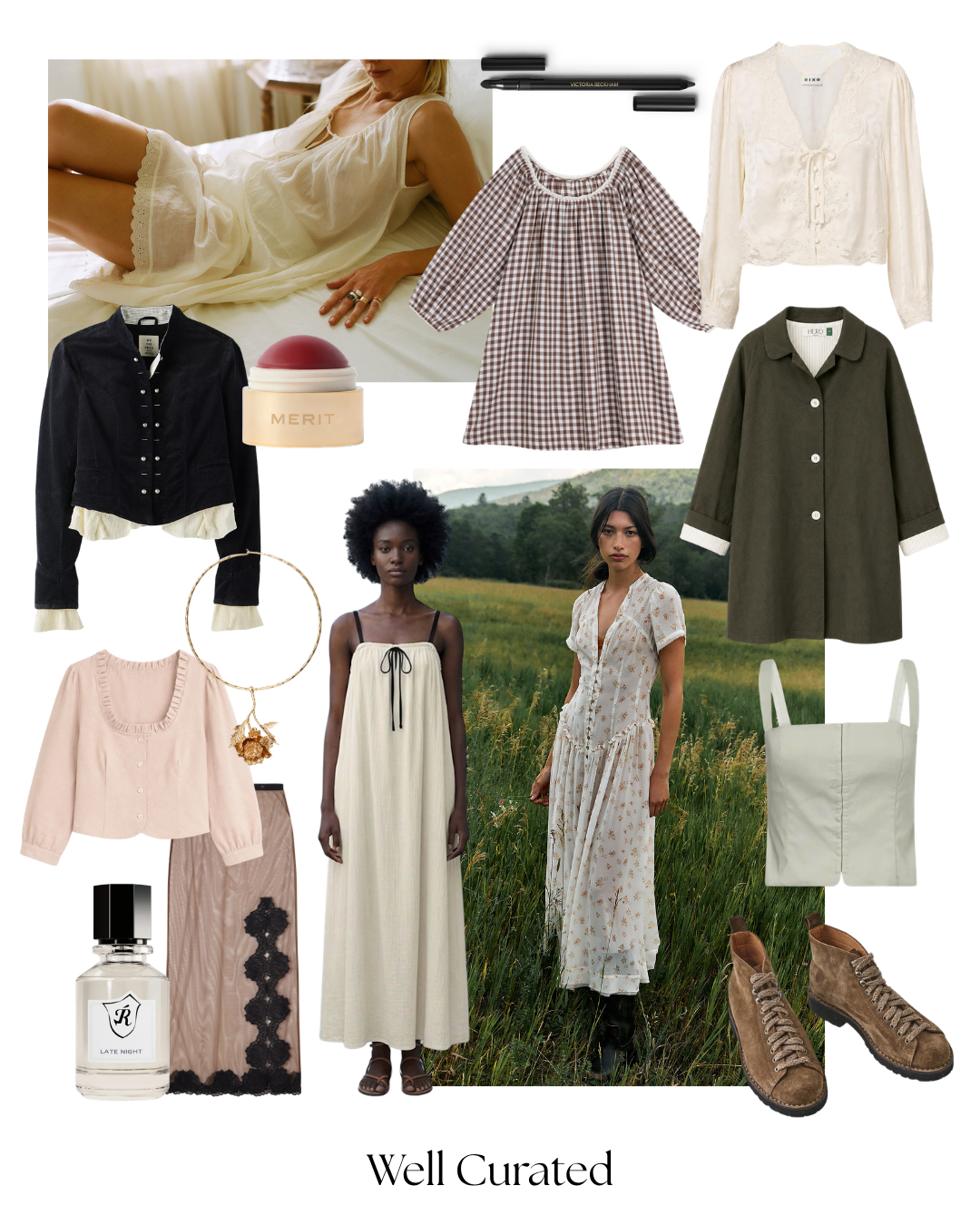
My sister thinks it is because they offer complete escapism. She also admitted that she couldn’t help but love how whimsical they are. I can see her point. I’m sure we would all quite happily spend our days swanning around in lace bodices, sending love letters before falling into a four-poster bed in our stately homes. As a side note, if that does sound divine to you, I would recommend taking a look at Desmond & Dempsey’s nighties. They look as though they could have come straight off the Bennett’s washing line.
However, I do not wholeheartedly agree with my sister. I think the answer to why we continue to return the classics lies somewhere deeper. Beneath all the bonnets and ballrooms, these stories are raw, messy and intensely passionate. It seems Fennell would agree. In multiple interviews she explained that reading Wuthering Heights for the first time gave her a visceral, physical response.
Start with the landscapes. Nature in these novels is rarely just a backdrop. The wild Yorkshire moors become inseparable from Cathy and Heathcliff’s affair. Marianne’s walk in Sense and Sensibility turns dangerous when the rain becomes so torrential that she twists her ankle, leading to her timely rescue by Willoughby. In Hardy’s Tess of the d’Urbervilles, the seasons seem to mirror the times of happiness and sadness in Tess’s life. Back in those English literature lessons, I remember learning the term ‘pathetic fallacy’: where the writer uses the weather to reflect the character’s emotions or the mood of the scene. I don’t think it is a coincidence that these landscapes echo the feeling that these books are raw and uninhibited at times.
Then there are the characters themselves. In fairy tales, characters often feel two-dimensional: the princess with perfect long hair and Prince Charming, who arrives just in time to save the day. The leading men of the classics are considerably more complicated. They are brooding, flawed, and sometimes, unkind. Rochester locks his ex-wife away in the attic, and Angel Clare abandons Tess after discovering that she is not a virgin. Yet, that feels much more realistic than Prince Charming, because let’s be honest, who has actually found one of those? I loved Dolly Alderton’s description of her casting process for the upcoming Pride and Prejudice series: ‘We got Louis Partridge! My number one choice for Wickham - a man who looks like he could really ruin your life. Hooray!’
Although our classical heroines may be dressed up like princesses, there is a lot of emotion bound up beneath those corsets. That is what makes these characters so enduringly compelling. ‘You can feel why a character like Elinor is somebody who holds everything in,’ explains Edgar-Jones, who was sewn into her costumes each day on set. At the heart of many of these protagonists' storylines is a deep longing to be loved, understood and fulfilled - desires that, I believe, will never change, no matter how much technology or society advances.
Perhaps that is the real reason we keep returning.
I don’t want to read or watch another perfectly packaged rom-com. I like that the classics don’t always promise a happy ending. I like the heady mix of escapism and being able to relate to characters who feel as complicated and imperfect as we do. I, too, want to take a long walk through the wild countryside and feel that I am not alone in my big emotions. I return to the classics because, while I want whimsy, I also want edge.
To shop our edit of fashion and beauty that continues to be inspired by the classics, just click on the product below.
We hope you have enjoyed our newsletter. Cam & Katie x