
Newsletter No.21
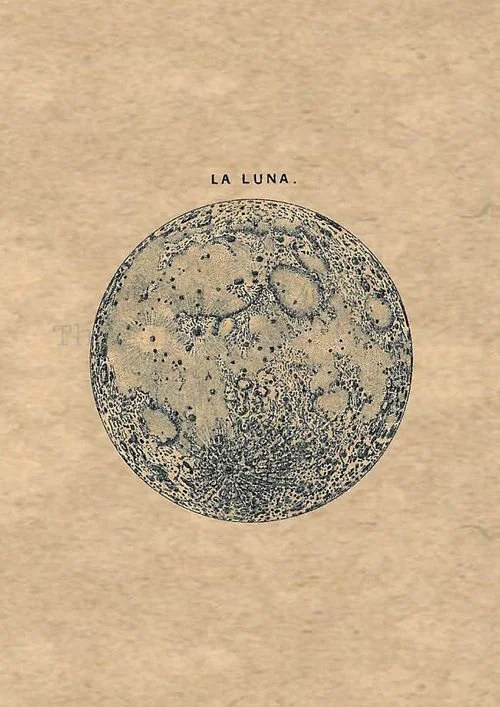
Could we all be diagnosed as lunaticus?
Derived from Latin and meaning ‘moonstruck’, it’s a feeling I’ve been experiencing, and I suspect I’m not alone…
Words: Katie Gibson
How often have you blamed the moon after a bad night's sleep or when you’ve felt particularly emotional? Perhaps you’ve heard the old wives’ tale that maternity wards are busier during a full moon. When I worked in a boarding school, there was a well-known hypothesis that the boys’ behaviour deteriorated whenever the moon was full. Whatever you believe, the moon seems to hold a place in our collective imagination.
Our fascination with the silver disc in the sky is perhaps unsurprising given that the foundations of human life are heavily based on its cycles. Indeed, the notion of time itself derives from our earliest ancestors looking to the sun and shadows to make sense of the rhythm of their days. Although technology has gradually pulled us further away from nature's rhythms, the moon still guides our circadian cycle - the body's natural 24-hour clock.
In our modern world, however, you’re perhaps more likely to encounter its influence through social media. There are now a plethora of accounts, including Moon Omens and Spirit Daughter, dedicated to sharing moon-related content. These pages draw our attention to the next full moon or new moon, tell us the name of it and its astrological significance, and offer suggestions for rituals to accompany each cycle. These often come in the form of questions for their followers to consider: What can I release under this full moon? What can I invite in during the new moon?
The reason I suspected I am not alone in being lunaticus is the sheer amount of engagement these accounts receive. Moon Omens, for example, has around 5.8 million followers, while its post about August's Full Moon Lunar Eclipse in Pisces had amassed 67,200 likes at the time of writing.
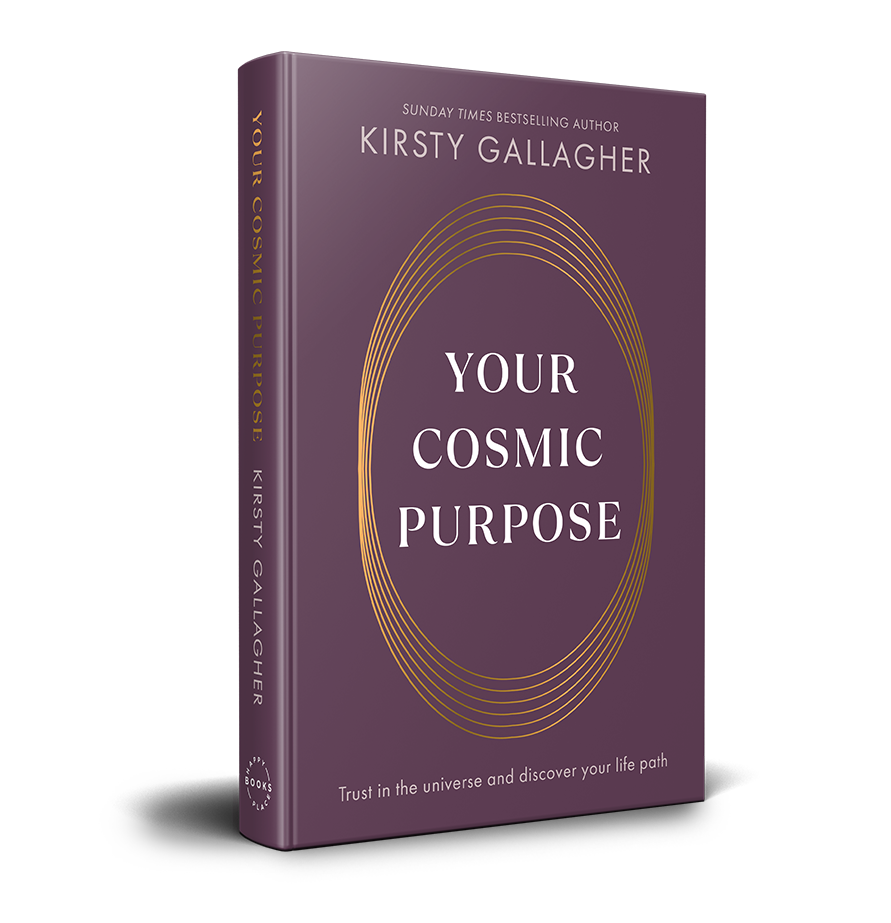
Then there’s Kirsty Gallagher, a hugely well-known figure in the world of spirituality, with 247,000 followers of her account. Kirsty describes herself as a ‘moon mentor, soul alignment and spiritual coach, yoga teacher, meditation teacher and Sunday Times bestselling author.’ A friend actually bought me a copy of her book Lunar Living, which is described as a ‘toolkit’ for understanding the cycles of the moon and how to live in alignment with them. Kirsty describes the moon as female, suggesting that we can learn from her ancient wisdom and use her cycles as powerful starting points for change. I found there was something comforting about being given permission to pause, reflect and take stock at least twice a month.
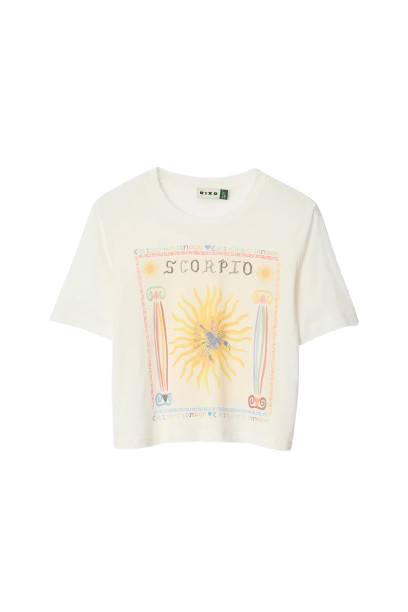
Lunar Living also explores the connection between the moon and astrology. In Western astrology, the sun moves through each zodiac sign approximately every 30 days. During each zodiac season, the new moon falls in the same zodiac sign, while the full moon falls in the opposite sign. Each sign is believed to bring its own influences, energies, opportunities and challenges. As a rough guide, the watery signs may leave you feeling more emotional, earth signs are associated with grounding, fire signs bring energy and drive towards your passions, while air signs are about gaining clarity around your visions.
This connection with astrology only seems to intensify our enchantment with moon magic. Apps such as The Pattern, CHANI and Saturn Return allow us to keep up to date with lunar and astrological events while also using the information we provide to create bespoke charts. As we read into how these celestial occurrences can be interpreted in relation to our individual lives, suddenly the movement of the planets and moon feels deeply personal. Perhaps this is part of the reason we feel so drawn to the cycles of the moon. They offer us an opportunity to feel guided by something other than our increasingly ‘go, go, go’ world.
In January, I was staying in Byron Bay, and, on a morning walk to the beach, I met a group of women who regularly swim together before work. After following them on socials, I discovered that they also hold women's circles on each full moon, where they gather together to dip, journal and drink cacao. Intrigued, I started looking into what full moon gatherings the UK has to offer. A previous offering from The Wasing Estate in Berkshire caught my eye: Full Moon Sauna & Fireside Supper. The event promised an evening of cold-water swimming, deep-heat therapy and a warming meal around a campfire. My Google searches revealed that moon-themed swim and sauna events are incredibly popular, closely followed by sound baths. This makes sense when you consider that the moon’s gravitational pull controls the tides. The human body is made up of roughly 60% water, so perhaps it’s no wonder we like to imagine that the moon can move us, too.
If you feel the celestial call, there are plenty of simpler moon rituals you can try at home:
Journal using specific prompts centred around what you want to release, let go of or call into your life.
Take some time to get clear about what you want to manifest or work towards under a new moon.
Leave any crystals you may have under the light of the full moon. If you don’t have any, clear quartz is referred to as the ‘master crystal’ due to its versatile nature.
Try introspective practices such as mediation or yoga.
Light a candle and think about your intentions as you watch the flame, then blow it out as a symbolic gesture of releasing them into the universe.
Whether or not you believe the moon can genuinely influence our sleep, emotions or behaviour, there is something rather beautiful about having a celestial excuse to stop, look up and ask ourselves what we need.
Perhaps being a little lunaticus isn’t such a bad thing after all.
Shop our celestial edit here.
We hope you have enjoyed our newsletter. Cam & Katie x